


Contact us
Hamilton Piers
Unit 4, Panners Parade
Great Notley
CM77 7AE
Tel: 01376 341141
Email: notley@hamiltonpiers.co.uk




The convenience, the energy, the fact that you can get a coffee, a haircut, and a train to the other end of the country within a 10-minute walk of your front door, city living has a pull that’s hard to explain until you’ve experienced it. But renting in a city comes with its own set of decisions, and getting them right makes the difference between loving where you live and counting the months until your tenancy ends.
Here is what to think about before you start your search.

City rents are higher than the national average, so start with your budget and be realistic about it. Add up your monthly income, subtract your fixed outgoings, and work out what you can realistically spend on rent without cutting into the things that make city living worthwhile in the first place.
A common benchmark is that your rent should sit at around a third of your take-home pay. Letting agents will usually run their own affordability checks, so if a property is listed at £1,500 a month, expect to need a demonstrable income to match.
On upfront costs, your deposit is typically capped at five weeks' rent, and a holding deposit at one week's rent, under the Tenant Fees Act 2019. Landlords should not be asking for more than one month's rent in advance either. If a landlord asks for more, consider that a red flag.
Remember that rent is not the whole picture. Council tax, energy bills, broadband, and contents insurance all sit on top. In a city, you might save on transport if you can walk or cycle to work, but you will probably spend more on eating out, socialising, and the general temptation of having everything on your doorstep. Budget for the lifestyle, not just the property.

This is the decision that shapes your day-to-day experience more than anything else. Two neighbourhoods a mile apart can feel like different cities. One is quiet and residential with a park at the end of the street. The other has a high street buzzing until midnight and a bus stop outside your window.
Think about what matters to you. If you commute, how long does the journey actually take at rush hour? If you work from home, is there a café or co-working space nearby where you can get out of the flat? If you run, cycle, or need green space, is it genuinely walkable or do you need a bus to get there?
Visit the neighbourhood at different times of day before you commit. A street that feels charming on a Saturday morning might feel very different at 11pm on a Friday. Check what the parking situation looks like if you drive. Look at where the nearest supermarket is, and whether it is one you would actually use. Talk to people in the area if you can. The person behind the counter at the corner shop or the barista at the local café will tell you more about a neighbourhood in five minutes than any listing ever will.
City homes tend to be smaller than what you would get for the same money outside a city centre. That is the trade-off. But smaller does not have to mean uncomfortable, as long as you are clear about what you need.
Think about storage. City flats are often short on it, and a lack of cupboard space becomes frustrating quickly. Think about light. A north-facing flat on a lower floor behind another building will feel dark for most of the day, and in winter that matters more than you expect. Think about noise. A flat above a pub or next to a main road will test your patience, however much you love the location.
If you work from home regularly, you need a space where you can sit comfortably with a laptop that is not your bed. That might be a separate room, a desk in the corner of the living room, or even a decent kitchen table. But it needs to exist.
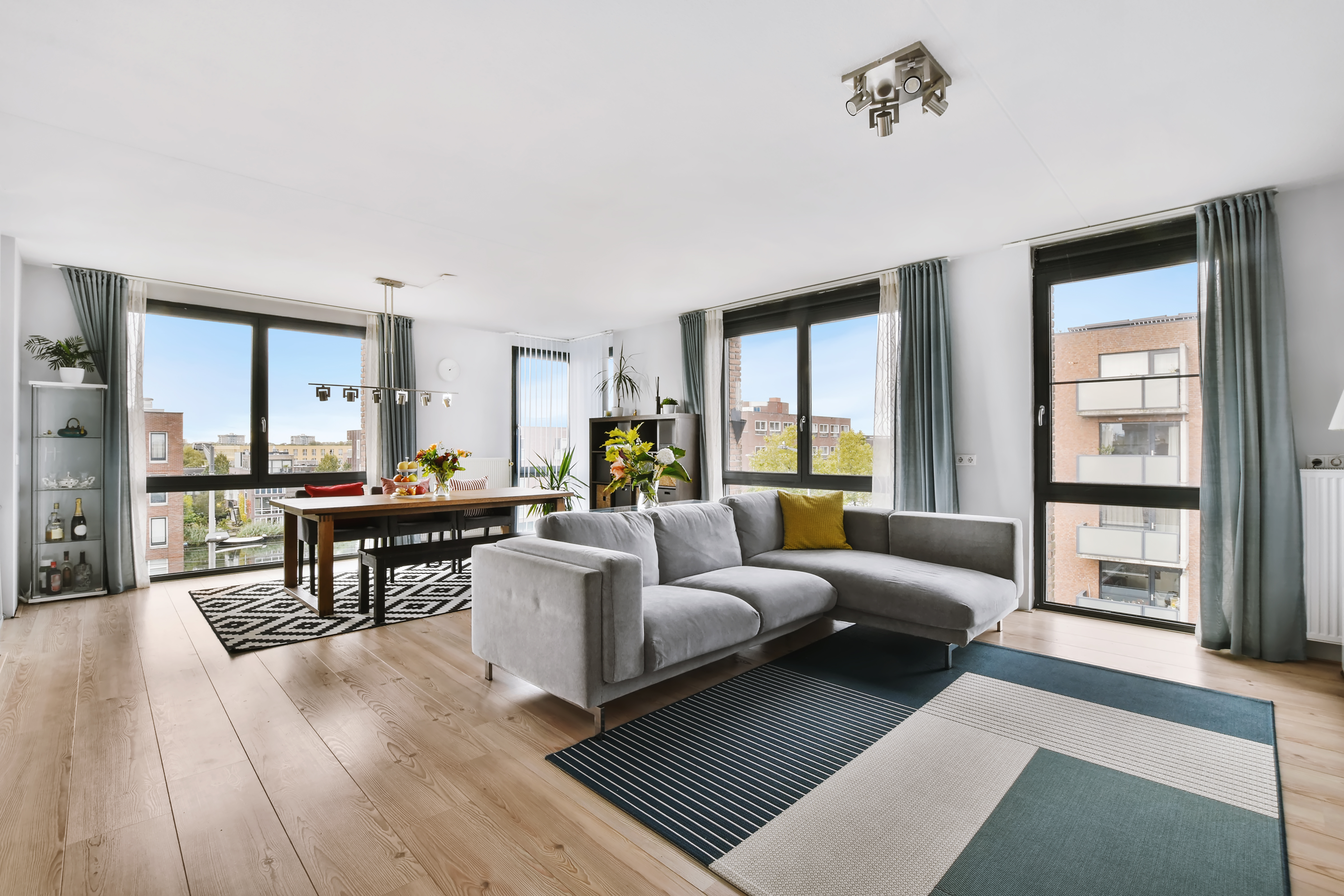
City renters move more often than people renting outside of cities, and if you are likely to move again in a year or two, a furnished flat saves you the cost and hassle of buying, transporting, and storing your own furniture. You sacrifice some personality, but you gain flexibility.
If you plan to stay longer, unfurnished gives you more control over how the space looks and feels. You can make it yours. Just factor in the cost of furnishing it, and check whether the landlord is happy for you to put things on the walls. In many cases, they are, as long as you make good any marks when you leave.
Either way, check the inventory carefully before you move in. If you are renting furnished, note the condition of everything that is included. Any faults or marks that were there when you arrived should not come out of your deposit when you leave.
City renting is not just about compromise. It is about proximity. The restaurant you walk to on a Tuesday evening because you cannot be bothered to cook. The park you run through before work. The market on Saturday mornings where you buy bread and flowers and end up staying for coffee. The friend who lives three streets away instead of three towns away.
These are the things that make city life what it is, and they are the things worth protecting when you set your budget. A flat that costs slightly more but puts you in the middle of a neighbourhood you love is usually a better decision than one that saves you £200 a month but leaves you with hefty travel expenses.
The city rental market has a rhythm. Competition peaks in late summer as students and graduates look for accommodation before the academic year, and again in January when people act on new year resolutions to move. If you can search outside those windows, you will face less competition and may find landlords more open to negotiation.
That said, the best properties in popular areas move fast regardless of the time of year. If you find somewhere you like, be ready to act. Have your references lined up, your deposit saved, and your ID to hand so you can move quickly when the right place comes up.
Before you sign anything, read the tenancy agreement properly. Check the notice period, the break clause if there is one, and what happens at the end of the term. Check what you are responsible for and what the landlord covers. Confirm where your deposit will be held. Your deposit must be placed in one of the three government-backed protection schemes within 30 days, and you should receive written confirmation.
Take photos of the property on the day you move in, with timestamps. Note any existing damage, marks, or wear, and make sure these are recorded on the inventory. This protects you when you move out and want your deposit back.
Our guide to renting in a major city has all you need to know when it comes to renting.
Looking for a rental property in the city? Browse our selection of properties to rent across the UK, or get in touch with your local Guild Member for expert guidance on the rental market in your area.

The Guild is a UK-wide network of hand-selected independent estate agents across the UK. Whether you are buying, selling, letting, or renting, explore where our Members are.
Contact us
Hamilton Piers
Unit 4, Panners Parade
Great Notley
CM77 7AE
Tel: 01376 341141
Email: notley@hamiltonpiers.co.uk
Chelmsford Property Centre
4 Torquay Road
Springfield
Chelmsford CM1 6NF
Tel: 01245 269777
Email: chelmsford@hamiltonpiers.co.uk
The Old Post Office
1-3 The Street
Hatfield Peverel
Essex CM3 2DL
Tel: 01245 381 416
Email: hatpev@hamiltonpiers.co.uk
Prestige Homes
Unit 4, Panners Parade
Great Notley
CM77 7AE
Tel: 01245 956622
Email: prestigehomes@hamiltonpiers.co.uk
2017 © Hamilton Piers. All rights reserved. Terms and Conditions | Privacy Policy | Cookie Policy
Hamilton Piers (Great Notley) is a trading style of Feldon Associates Ltd Registered in England no. 03527791 Hamilton Piers (Chelmsford) is a trading style of Clearline Associates Ltd. Registered in England no. 09042397 Hamilton Piers (Mid Essex) is a trading style of Homeview Ltd Registered in England no. 10623276